/eh/2025-01-08/173633966714069467/picture.png)

/eh/2024-12-24/173503345348979036/Favorite-Icon.png)
/eh/2025-07-08/1751962110204480194/picture.png)
/eh/2025-06-21/1750485478958537574/countryInfoIcon.png)
/eh/2025-06-21/1750485741321434291/Hi-Sign-in-My-Nihao.png)
/eh/2025-06-21/1750485837193896318/cart.png)
/eh/2025-06-21/1750485968202533847/cart.png)
/eh/2025-04-17/1744862476612819675/hot-img.png)
/eh/2025-11-07/1762504524550532584/header-icon.jpg)
/eh/2025-07-07/1751875582852206790/header-icon.png)
/eh/2025-07-07/1751875587886277738/header-icon.png)




download picture
description
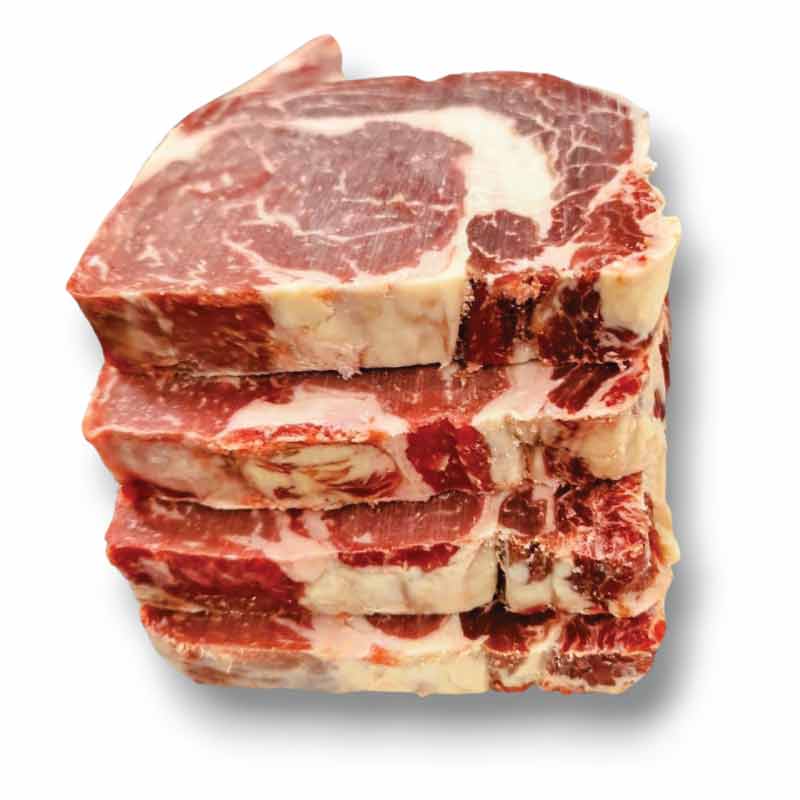
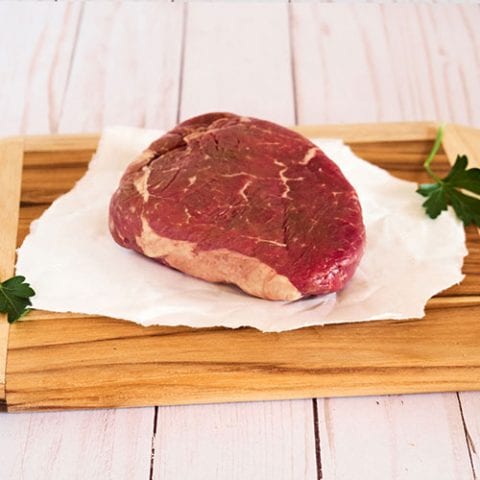
Oakey Angus Reserve 150 Day Grain Fed Cube Roll (Boneless 24oz Premium Angus Ribeye ANGUS RIBEYE 12 OZ Bodega Mi Amiga 10oz Prestige Angus Top Sirloin 10oz Ribeye YouTube. Description Additional Information Nutritional Information Preparation Butchers Breakdown (10 oz) All Natural Ribeye Aged 35+ Days for Ultimate Flavor & Tenderness No Antibiotics, Growth Hormones, or Steroids The Nebraska Star Beef 10oz Ribeye is our petite cut Ribeye if there is such a thing. This is enough steak for a man sized appetite. This cut is designed for the grill but they can be cooked to perfection in the oven as well, 10 to 11 minutes at 400 degrees will yield a perfect medium rare steak every time. This is the most well marbled of all the cuts and that results in a very rich, tender steak experience. NEVER THAW IN A MICROWAVE it can damage the product. ALWAYS thaw in the refrigerator or a pan of cold water. DO NOT remove cryovac packaging prior to thawing completely. Weight: 10 oz The 10oz Ribeye is a lot of steak in a reasonable size package. The first question many people ask is, how long should I cook it on each side?. there is not a consistent answer to that question as there are MANY variables that effect cook time, from the steaks starting temp to the grill surface temp to the ambient temp in which the steak is being cooked. Beyond that, there is a simpler way that is more accurate. The internal temperature of the steak. The way the cooking heat is applied isnt all that critical, cooking heat can be any variety of methods from a wood fire to a broiler to sous vide; there are MANY great methods to cook a steak. We personally prefer to cook our steaks rare and we typically remove smaller steaks like the 10oz Ribeye from the heat source when the internal temperature reaches approximately 115F. The internal temperature will continue to coast up to somewhere near the 130F range. This coast up is why adequate rest time after cooking is so critical when it comes to cooking the perfect steak. The 10oz Ribeye is a somewhat thinner steak, thus requiring a bit more attention due to the decreased the amount of time to reach finishing temperature. Order of operations: Thaw slowly submerge in a pan of cool water if youre in a hurry, NEVER a microwave. Season Your preferred seasoning, to taste. Some folks apply oil to the steak prior to seasoning, we do not believe that is the best approach, nor do we recommend it. Cook Keep track of the internal temp, thatll tell you when its done. Get a good digital thermometer. Rest 5 to 10 minutes is best. Dont cover the steak when it rests, it will stay warm, covering will cause the coast up temp to be higher than desired in most cases. Serve Let your guests carve their own steak, unless theyre little kids or youre a control freakcutting a steak is part of a pleasurable eating experience. The 10oz Ribeye is about as small as one can cut a ribeye and maintain a quality steak experience10oz is still a decent sized portion. This steak is cut from the rib section of the beef and is a great combination of flavor, texture, tenderness and cook ability. Ribeye steaks exhibit exceptional marbling, which is what gives the steak its flavor and juicy nature. We cut our 10oz Ribeyes to approximately 1 thick. All cattle vary in size so the thickness of the steaks will vary a degree from steak to steak based on the animal from which it came. Lots of folks ask us why our steak thickness varies, and the reason is that we cut our steaks to a specific weight, given the fact that all cattle are slightly different sizes, that means that the variation shows up in the thickness of the steak. If we cut all the steaks to the same thickness, then the weight of the steaks would vary. which would greatly complicate selling them online. All of our beef is wet aged which is a fairly common thing among beef producers. That said, we wet age our beef a minimum of 35 days, which is longer than much of our competition. This makes a difference in flavor and tenderness. The process of wet aging allows enzymes that are naturally present in beef to begin to break down and tenderize the beef. It has more effect on tenderness than it does flavor. Dry Aging, by comparison, is a much different process that relies on the same naturally occurring enzymes to tenderize the beef and dry aging also allows moisture to migrate out of the beef which tends to concentrate the flavor. Dry Aging is a process that is much more like aging artisanal cheese and tends to take on a stronger flavor that not all consumers enjoy. Weve found wet aging for an extended period to be the best case scenario for us.

Shopping security
product description
Why choose thelockerguy wholesale?

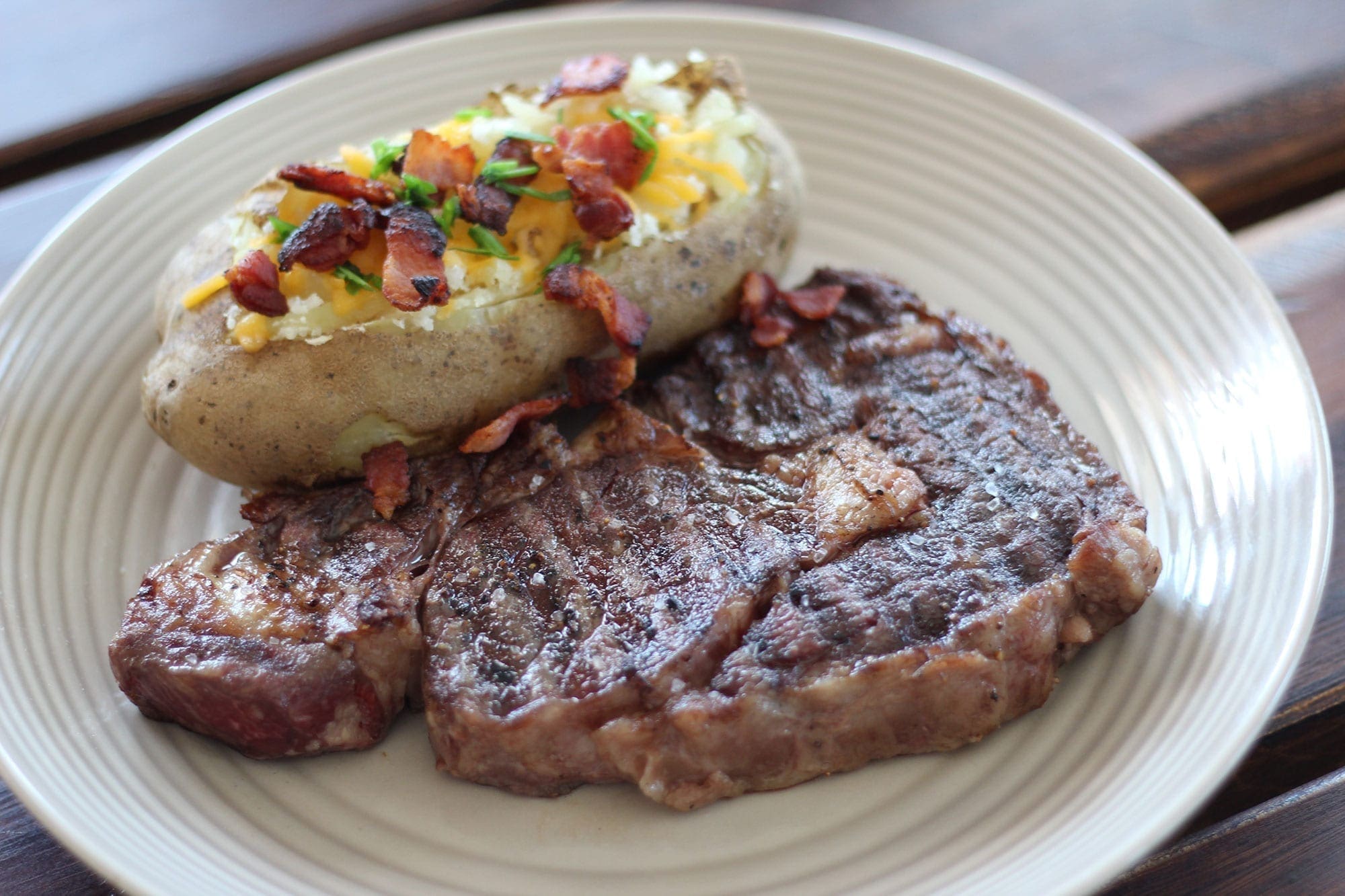
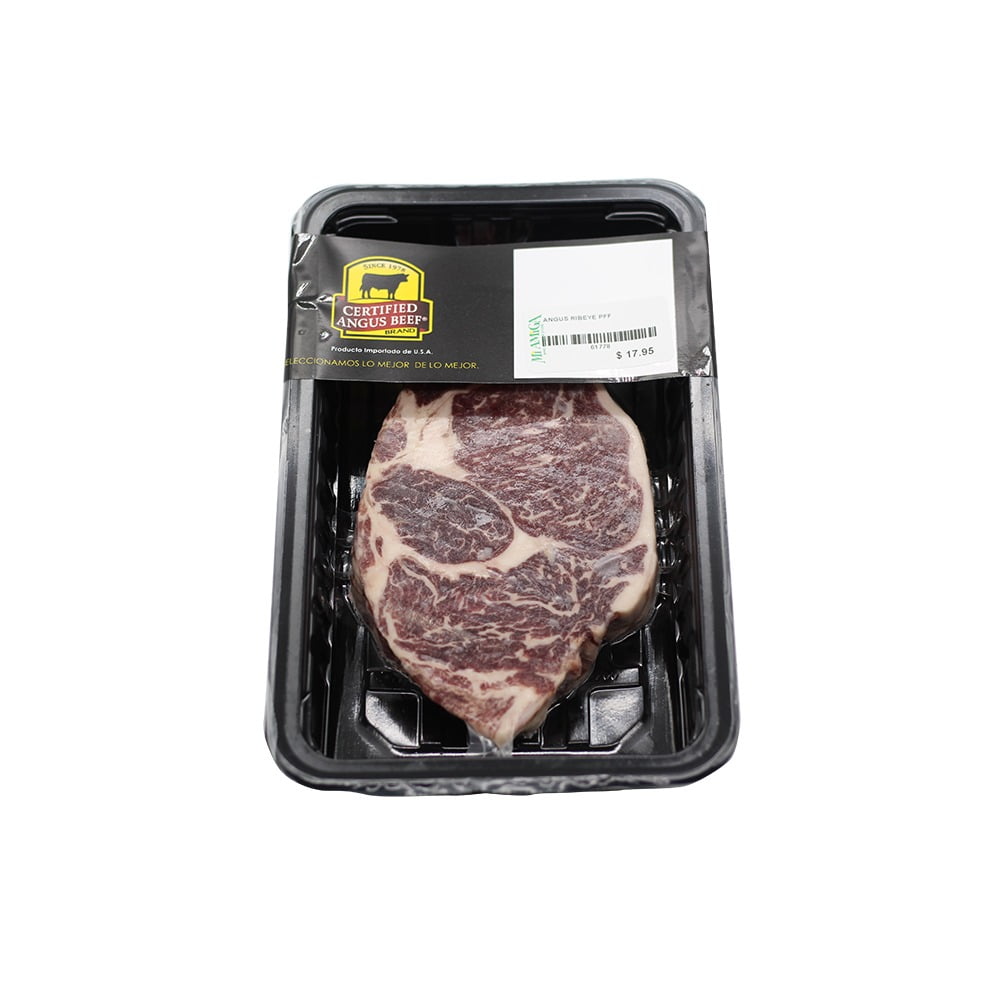

10oz Angus Ribeye
Item no
:
32888189506
US$ 33.99
Pay in 4 interest-free payments of $33.99 Learn more
Min. order:
1piece
Shipping Estimate
USAChange
- USA
- CAN
- USA
- CAN
Ships within 48 hours · Estimated delivery May 29 - Jun 3
Enjoy 20% off shipping
US$ 33.99

1-11
US$ 30.59
12-35
US$ 23.79
36-59
US$ 20.39
60+
US$
40
Get now
Sign up to your membership to get coupons up to
15
%
Get now
Opportunity to enjoy order discount up to 15% off
Please add the products
Shipping Notes
- Free Standard Shipping on $100+ Orders to the USA.
- Except Preorder products are shipped in 48 hours.
- Delivery to the USA:
- Standard Shipping : 3-10 business days
- If time is of the essence, please consider selecting expedited delivery for faster service.
Exchange/Return Notes
- We offer a 30-day return/exchange service after receiving.
- Final sale items are not eligible for returns or exchanges.
- To process your return/exchange, please contact us at [email protected]
- Please click here for more details>>>Return & Exchange Policy
Discover Niche Categories That Outsell
Top-Converting Item to Boost Your Average Order


recommand products
Similar items
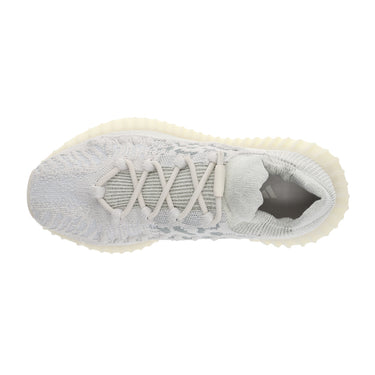
Shop Off White Mens adidas Yeezy Boost 350 V2 CMPCT Slip On Sneakers – Shoebacca
US$ 22.68
Min. order: 1 piece
sold : Login>>
Similar items
ADIDAS YEEZY BOOST 350 V2 CREAM WHITE (NEW) – Secret Sneaker Store Online
US$ 28.47
Min. order: 1 piece
sold : Login>>
Similar items
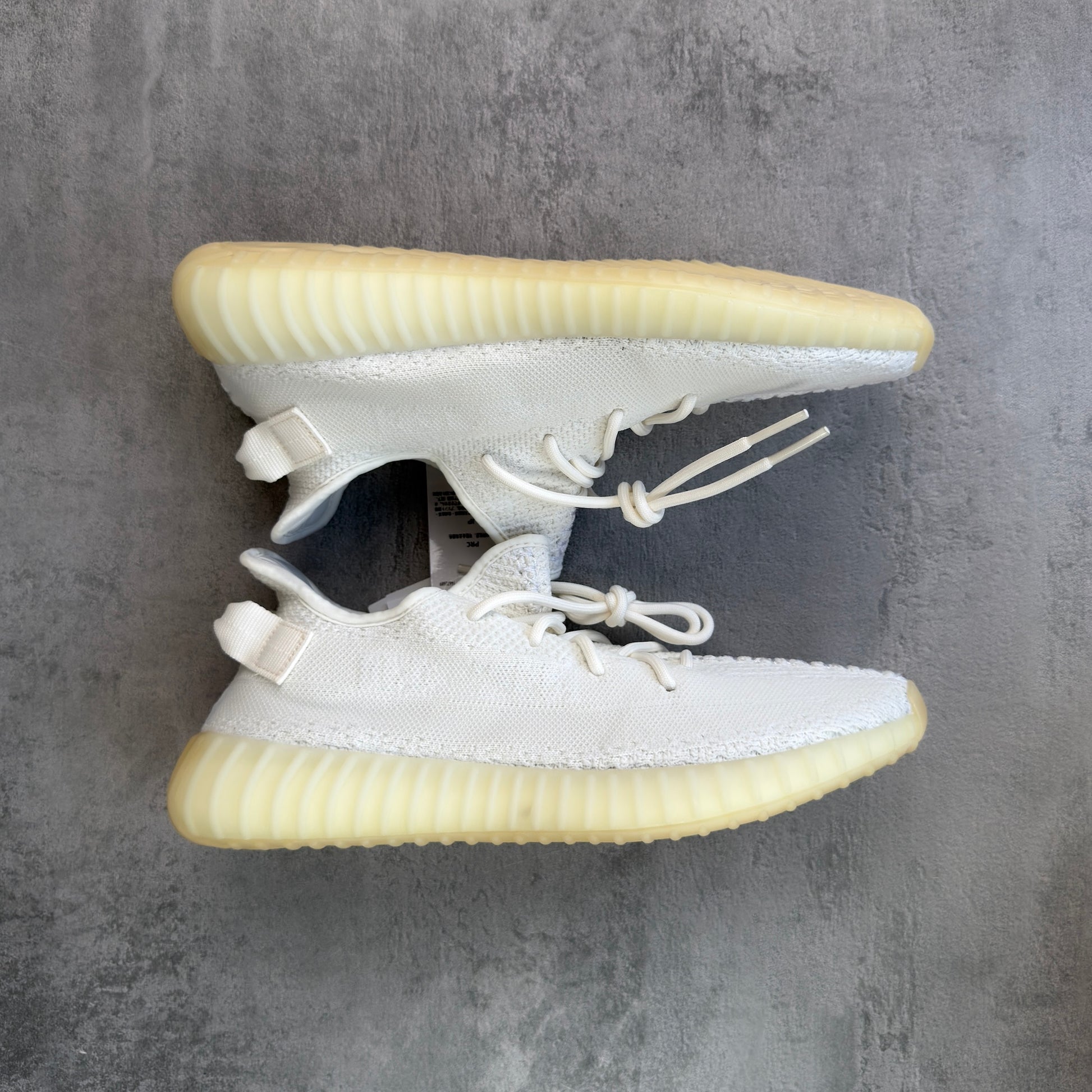
Adidas Yeezy Boost 350 V2 Cream White (Triple White) – Sneaky HQ
US$ 25.18
Min. order: 1 piece
sold : Login>>
Similar items

Similar items
Similar items
